
ROYAL FAMILY
The Death of Royal Secrecy: How William and Kate Hijacked the Modern Media Playbook

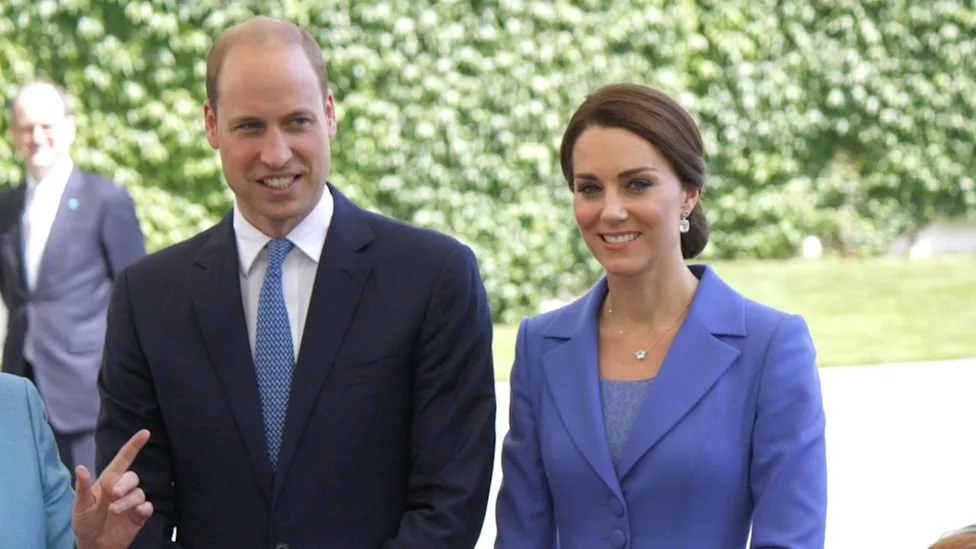
For over a century, the core communications rule of the House of Windsor was rigid and non-negotiable: “never complain, never explain.” Monarchs were meant to be seen at formal ribbon-cuttings and state occasions, filtered almost entirely through the rigid lens of the Royal Rota and ceremonial press pools.
Today, Prince William and Kate Middleton are executing the most radical public relations overhaul in modern palace history.
Dubbed by palace observers as a strategy of “controlled openness,” the Prince and Princess of Wales have quietly abandoned institutional secrecy in favor of direct-to-consumer digital engagement. Rather than keeping the public at arm’s length behind palace gates, the future King and Queen are leaning heavily into unscripted broadcast media, high-production social clips, and mainstream entertainment channels—rewriting what it means to be accessible royalty.
1. From Stiff Briefings to Pop Culture Broadcasts
The clearest proof of this transformation lies in how Prince William approaches on-camera appearances. In years past, a senior royal sit-down was a rare, heavily managed event reserved for landmark anniversaries or serious national broadcasts.
Today, William is regularly engaging with mainstream entertainment platforms on their terms. His surprise appearance on Travis and Jason Kelce’s hit sports and pop culture podcast, New Heights, shattered decades of royal decorum. Dropping into a conversational, joke-heavy format with an NFL star and cultural phenomenon signaled to millions of younger viewers that the heir to the throne could trade laughs, self-deprecate, and speak candidly without a rehearsed palace script.
Whether joking on broadcast television about childhood dreams of becoming a DJ—an Instagram clip that racked up over 1.2 million likes within hours—or trading banter with Hollywood stars like Tom Cruise on the red carpet, William has replaced stiff aristocratic distance with relaxed, camera-ready charisma.
2. Why “Controlled Openness” Beat Out Traditional Secrecy
The pivot away from strict royal secrecy is not an accident—it is a calculated response to the modern media ecosystem.
The Waleses recognized two critical realities:
The Information Vacuum Hazard: Whenever the palace remains silent, online gossip, unauthorized leaks, and algorithmic conspiracy theories quickly fill the void. Controlled openness allows William and Kate to tell their own story before tabloid commentators can frame it for them.
Platform Independence: Instead of feeding traditional newspaper press pools, Kensington Palace now produces slick, documentary-style video content distributed directly across their own social feeds, bypassing media gatekeepers and driving record engagement with Gen Z and millennial audiences.
3. Preserving Dignity While Winning the PR War
The genius of William and Kate’s strategy lies in its boundaries. While the couple shares authentic, relatable moments on television and social media, they scrupulously avoid the trap of over-commercialization. Every broadcast and appearance is carefully tethered to their major pillars: the Earthshot Prize, military service, film and arts patronage, or Princess Catherine’s early childhood campaigns.
- By showing authentic glimpses of personality on television without compromising the dignity of the Crown, the Prince and Princess of Wales have created an untouchable PR formula. They have proved that the monarchy does not need fortress walls and cold silence to survive in the digital age—it just needs to know how to work the camera.

Meghan Reportedly ‘Enraged’ After Being Accused of Lying About ‘Timeline’ of Her Dad’s ‘Distressing’ Controversy—‘Another Twisted Attack’

Harriet Sperling Breaks Her Silence on Marrying Into the Royal Family With Rare Comments About Kate Middleton

Prince Harry fears he will lose his royal inheritance amid his rift with his father, King Charles

Prince Harry’s “mind blowing” move to get Kate Middleton back on side could be a much-needed olive branch

King Charles Reportedly Taking a ‘Stance’ Against Harry & Meghan After ‘Uncomfortable Controversy’ Involving Her Dad: ‘This Isn’t the Palace’s Mess’

Meghan Markle and Catherine’s role swap for Halloween was tactical

The sister I never had’: How Prince Harry’s relationship with Princess Kate has deteriorated over the years

The Death of Royal Secrecy: How William and Kate Hijacked the Modern Media Playbook
Acting Like He Doesn’t Exist’: Inside Prince William’s Total Freeze-Out of Prince Harry

Kensington Palace Dragged In: Did William and Kate Know About the Buried 2018 Warning Letter?

Bombshell Claims: Diana’s Brother Alleges Charles Was ‘Elated’ After Her Death in New Tell-All
