
CELEBRITY
Gdy Kosiniak-Kamysz spotyka się z amerykańskim ministrem i rozmawia o stacjonowaniu wojsk USA w Polsce – realna sprawa dla bezpieczeństwa kraju – co robi Nawrocki? Lansuje się z człowiekiem, który w sumie przesiedział w wiezieniu 37 lat za krzywdzenie ludzi. Paweł D. ps.„Duch” ze zdjęcia to śląski kibol z bogatą kartoteką

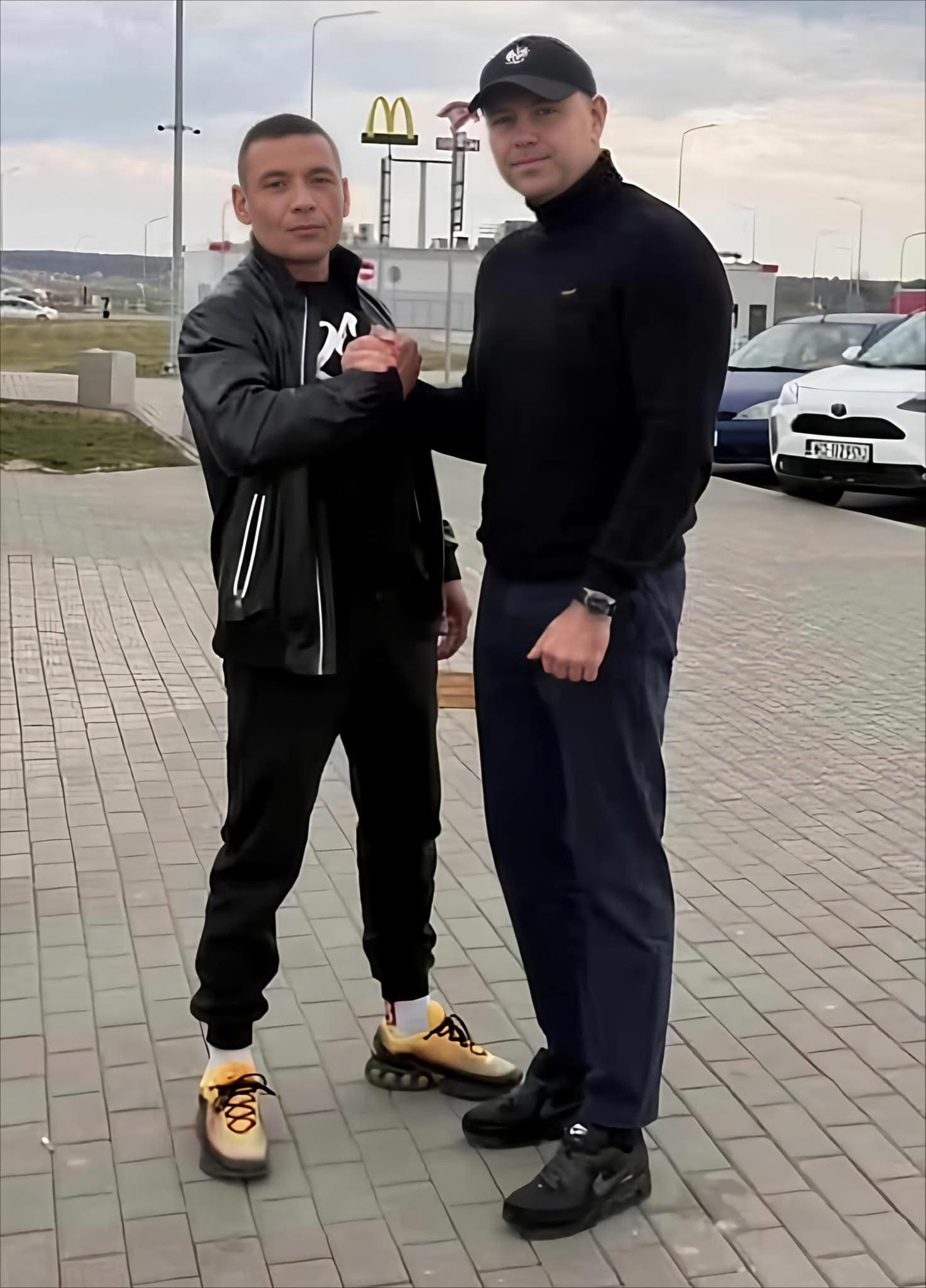
Gdy Kosiniak-Kamysz spotyka się z amerykańskim ministrem i rozmawia o stacjonowaniu wojsk USA w Polsce – realna sprawa dla bezpieczeństwa kraju – co robi Nawrocki? Lansuje się z człowiekiem, który w sumie przesiedział w wiezieniu 37 lat za krzywdzenie ludzi. Paweł D. ps.„Duch” ze zdjęcia to śląski kibol z bogatą kartoteką
Priorytety tej ekipy są jasne: nie bezpieczeństwo Polski, nie sojusz z USA, tylko selfie z kolejnym recydywistą i budowanie wizerunku „ludowego lidera”.
Zamiast dbać o wojsko i granice – klepią się po plecach z facetami po wyrokach. To nie jest polityka, to jest cyrk z elementami patologii.
I jeszcze mają czelność mówić o „wartościach” i „moralności”.
Wstyd.
While Władysław Kosiniak-Kamysz was engaged in discussions with the American defense secretary about the presence of U.S. troops in Poland — a matter directly tied to national security and strategic cooperation — Karol Nawrocki chose a very different kind of public appearance. Instead of focusing on issues that strengthen Poland’s position within NATO and reinforce military partnerships, he appeared alongside Paweł D., known as “Duch,” a Silesian football hooligan with an extensive criminal record and decades spent in prison for violent offenses. The contrast between these two images says a great deal about the priorities being presented to the public.
For many observers, the symbolism is difficult to ignore. One side is discussing defense policy, military stability, and the future of allied cooperation with the United States; the other is building political optics through proximity to controversial figures associated with violence and organized hooligan culture. In a period marked by war in Eastern Europe and growing concerns about regional security, voters may reasonably expect political leaders to project seriousness, competence, and responsibility rather than cultivating attention through sensational or provocative associations.
Critics argue that this pattern reflects a broader strategy focused more on image-building than on governing. Carefully staged photographs with figures portrayed as “authentic” or “close to ordinary people” can energize a political base, but they also risk normalizing criminal backgrounds and undermining public standards for leadership. When politicians repeatedly appear with individuals known primarily for criminal activity, questions naturally emerge about judgment, values, and the type of social environment they choose to legitimize.
The contradiction becomes even sharper when politicians who emphasize patriotism, morality, and traditional values simultaneously associate themselves with individuals carrying histories of violence and repeated convictions. Political messaging built around ethics and national dignity loses credibility when public actions appear inconsistent with those declarations. For many citizens, this is not simply about one photograph; it is about whether public office should elevate responsibility and integrity or reward spectacle and notoriety.
Ultimately, the controversy touches on something larger than partisan rivalry. It reflects growing frustration with a political culture in which media attention and symbolic gestures often overshadow substantive policy discussions. At a time when security, diplomacy, and international alliances have direct consequences for Poland’s future, many people expect leaders to focus on statecraft rather than performative encounters designed to generate headlines and social media reactions.

Tego jeszcze nie było 😱😱😱👇

😱 “Cześć wnuczki, to my, wasze babcie!” To zdjęcie wywołało burzę krytyki – dlaczego? Sprawdź w komentarzu 🔍👇

Przerwa między nogami kobiety wskazuje, że… 🙄 👇Zobacz więcej

TOTALNIE SIĘ NIE HAMOWAŁ! Zobacz w komentarzu

Barbara Nowacka w sukience jak Marta Nawrocka! Pierwsza dama wyznacza modowe trendy

Karol Nawrocki wychowuje nieślubnego syna żony: Bardzo go kocham.

🚨 VON DER LEYEN ZRZĘDŁA MINA? Zajączkowska-Hernik ujawnia prawdę prosto w oczy szefowej KE! 🇵🇱🔥

Takie słowa o mężu usłyszała od własnej matki 😮

Prezydentowi towarzyszyli: żona Marta, córka Kasia, syn Antoni oraz siostra Nina

Wstrząsające zdjęcia obiegły Polskę 💔

Pilne doniesienia, czegoś takiego jeszcze nie było 😱😱😱👇‼
