
CELEBRITY
Trump announces his next war: “I will be having the honor of taking Cuba. I think I can do anything I want with it.” This deranged psychopath is the greatest threat to world peace.

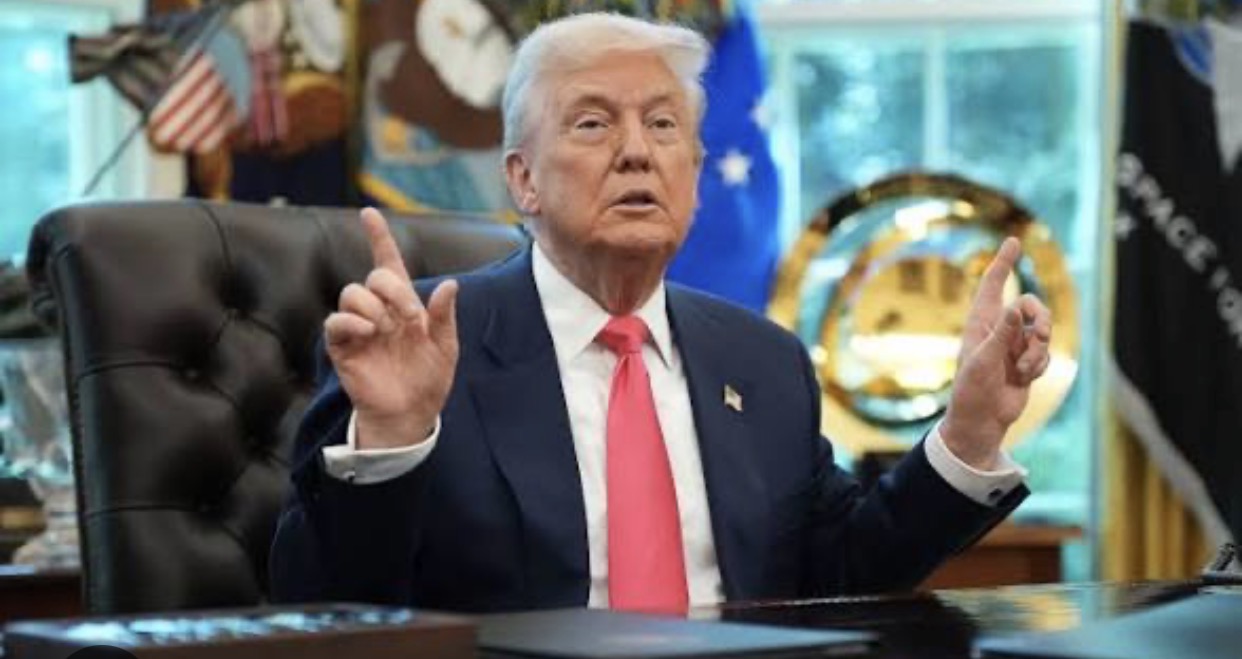
Trump announces his next war: “I will be having the honor of taking Cuba. I think I can do anything I want with it.”
This deranged psychopath is the greatest threat to world peace.
Trump Floats the Idea of “Taking Cuba,” Raising Fears of Escalation
Recent remarks by U.S. President Donald Trump about Cuba have ignited global controversy and renewed fears about the direction of American foreign policy. Speaking to reporters amid a deepening economic and energy crisis on the island, Trump said he believed he would have the “honor” of “taking Cuba,” adding that he could “do anything” he wanted with the country. The comments have alarmed critics who view them as a troubling signal of potential military or political intervention.
Trump’s remarks come at a moment of extraordinary instability in Cuba. The island nation is facing widespread power outages, severe fuel shortages, and a worsening economic crisis after oil shipments from Venezuela were halted and U.S. pressure on the Cuban government intensified. The resulting strain has led to nationwide blackouts and growing unrest among the population. ()
While the White House has not formally announced any plan for military action, Trump’s rhetoric has raised concerns among analysts and diplomats alike. Referring to the possibility of a takeover in ambiguous terms, he suggested the United States might “take” Cuba “in some form,” leaving unclear whether he meant a diplomatic transition, political intervention, or something more forceful. ()
Critics argue that such language evokes an earlier era of imperial geopolitics, when powerful nations openly spoke of controlling smaller ones. For decades, U.S. administrations from both political parties avoided direct invasion of Cuba following the Cold War–era agreement that ended the Cuban Missile Crisis. Trump’s remarks, some observers say, risk undermining that long-standing restraint.
The Cuban government has repeatedly rejected outside interference. President Miguel Díaz-Canel has insisted that Cuba will defend its sovereignty and negotiate only on equal terms. Meanwhile, ongoing talks between Washington and Havana reportedly include U.S. pressure for political changes within Cuba’s leadership. ()
Supporters of Trump’s hardline approach argue that the Cuban government is collapsing under economic pressure and that stronger action could accelerate political change on the island. Critics, however, warn that aggressive rhetoric or intervention could destabilize the region and worsen humanitarian conditions for ordinary Cubans.
As tensions rise, the international community is watching closely. Whether Trump’s statements represent negotiating tactics, political posturing, or a genuine shift toward intervention remains uncertain. What is clear is that the rhetoric surrounding Cuba has entered a far more confrontational phase—one that could have profound implications for U.S.–Latin American relations and global stability.

Pastor Donalda Trumpa twierdzi, że wojna na Bliskim Wschodzie zbliża się do końca. Co jeszcze ujawnił o sytuacji w Ukrainie?

Biały Dom właśnie ogłosił, dudni o tym cały świat 😱

Sprzedaż spółki i luksusowego BMW za milion złotych przerodziła się w dramatyczną konfrontację. Proces w Opolu ma wyjaśnić, co się wydarzyło.

Nawrocki w ogniu krytyki. Kibice już go nie chcą? 😢

Jakie jest Wasze zdanie na ten temat?

“Co za obrzydliwa hipokryzja” – czytamy.

🔴 Jak ustaliła Wirtualna Polska, w koalicji rządzącej dojrzewa nowy plan uderzenia w szefa NBP Adama Glapińskiego 🔴 Otwarte poparcie dla prezydenckiego projektu “SAFE 0 proc.” i zaangażowanie w polityczny spór mogą go słono kosztować. Dowiedzieliśmy się, że politycy obozu władzy chcą wykorzystać te działania jako kolejny argument za postawieniem go przed Trybunałem Stanu

🔴Współpracownicy prezydenta Karola Nawrockiego – prawnicy i doradcy – już analizują projekt wicepremiera i lidera PSL Władysława Kosiniaka-Kamysza o tzw. SAFE 0 proc. – wynika z informacji WP. To może oznaczać nowy rozdział w relacjach głowy państwa z szefem MON.

Niezwykle zjawisko nad morzem 😱

🔴Poniedziałkowe referendum konstytucyjne okazało się jedną z największych porażek w karierze premierki Włoch. Upadek flagowej reformy rządu może sugerować, że era gładkich sukcesów Giorgii Meloni powoli dobiega już końca.

Wpadł w najmniej spodziewanym miejscu! 🫢
