
NFL
Vladimir Czarzasty’s harsh words called President Karol Nawrocki a “friend of Putin”, to which Michał Dworczyk immediately reacted, emphasizing that this is crossing the border and reminding that the president is being pursued by the Russian Federation. 🔥

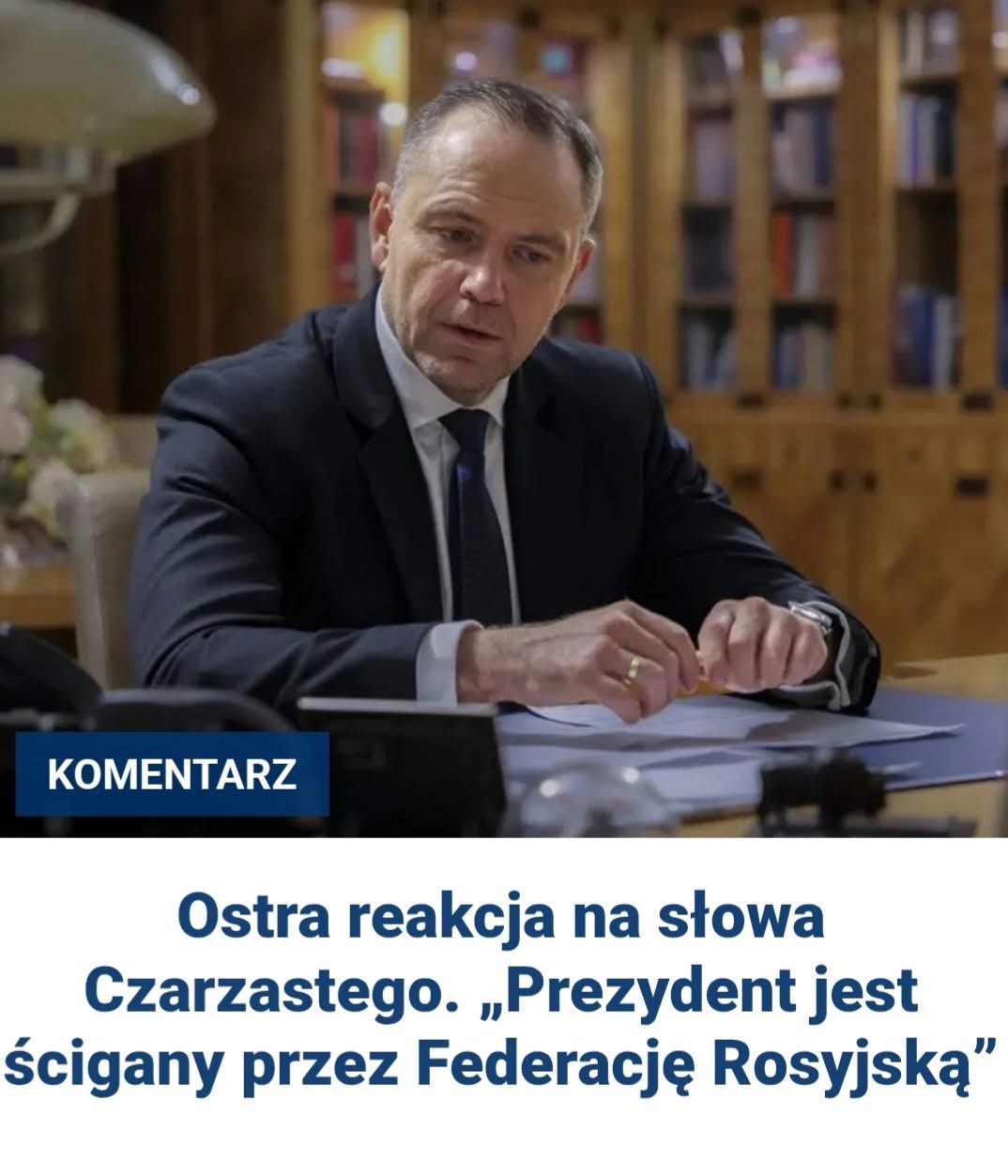
Vladimir Czarzasty’s harsh words called President Karol Nawrocki a “friend of Putin”, to which Michał Dworczyk immediately reacted, emphasizing that this is crossing the border and reminding that the president is being pursued by the Russian Federation. 🔥
Vladimir Czarzasty’s harsh words stirred immediate controversy after he referred to President Karol Nawrocki as a “friend of Putin.” The statement quickly gained attention in political circles, igniting debates over the tone and limits of public discourse. Many observers saw the remark as unusually sharp, even by the standards of heated political rivalry, raising concerns about the deepening divisions within the political landscape.
Michał Dworczyk wasted no time in responding, firmly condemning the accusation and stressing that such language crosses an important boundary. He argued that labeling the president in this way is not only unfair but also dangerous, as it distorts reality and undermines public trust. His reaction reflected a broader frustration among government allies who view such statements as reckless and harmful.
Dworczyk further reminded the public that President Nawrocki is actively being pursued by the Russian Federation, a fact he believes makes the accusation particularly inappropriate. In his view, suggesting any form of alignment with Vladimir Putin ignores the geopolitical tensions at play and the personal risks involved. This context, he argued, should lead to more responsible and measured political commentary.
The exchange highlights the increasingly confrontational nature of political debate, where strong rhetoric often replaces nuanced discussion. Critics of Czarzasty argue that such remarks contribute to polarization and distract from substantive policy issues. Supporters, however, may see it as a reflection of growing frustration and a willingness to speak bluntly about perceived threats or alliances.
Ultimately, the incident underscores the fragile balance between freedom of expression and the responsibility that comes with public statements. As political tensions continue to rise, moments like this serve as a reminder of how quickly words can escalate conflicts and shape public perception. Whether this controversy will have lasting consequences remains to be seen, but it has certainly intensified the ongoing political discourse.

Dramat Nawrockiego w autokarze

Doradca Karola Nawrockiego uderzył w rząd i Donalda Tuska. Padły stanowcze słowa

Zdumiewające, jak Tusk i Zełenski potraktowali Karola Nawrockiego. Prezydent pominięty
Ujawnił, co miał usłyszeć od Nawrockiego 😲

Mocne słowa z kancelarii Karola Nawrockiego. Podsekretarz odniosła się do wypowiedzi Zełenskiego

Tak dosadnego komunikatu jeszcze nie było 😲😲

Minister spraw zagranicznych Ukrainy uderza w Nawrockiego. Padły ostre słowa

Ukraińscy politycy oddają najwyższe polskie odznaczenie. Jest reakcja Mentzena, padły gorzkie słowa

Zamienili wyniki Nawrockiego i Trzaskowskiego. Pilny komunikat prokuratury

7 MINUT TEMU: Smutna wiadomość o Tomaszu Lisie – Proszę, spróbujcie nie płakać oglądając!……..Więcej informacji znajdziesz w sekcji komentarzy 👇 👇👇

Kolejne rewelacje…. Ech… Iga trzymaj się zostawmy serce❤️
